
Smart Traveller Guide to Chad: Safety Warnings, High-Risk Areas & Local Laws
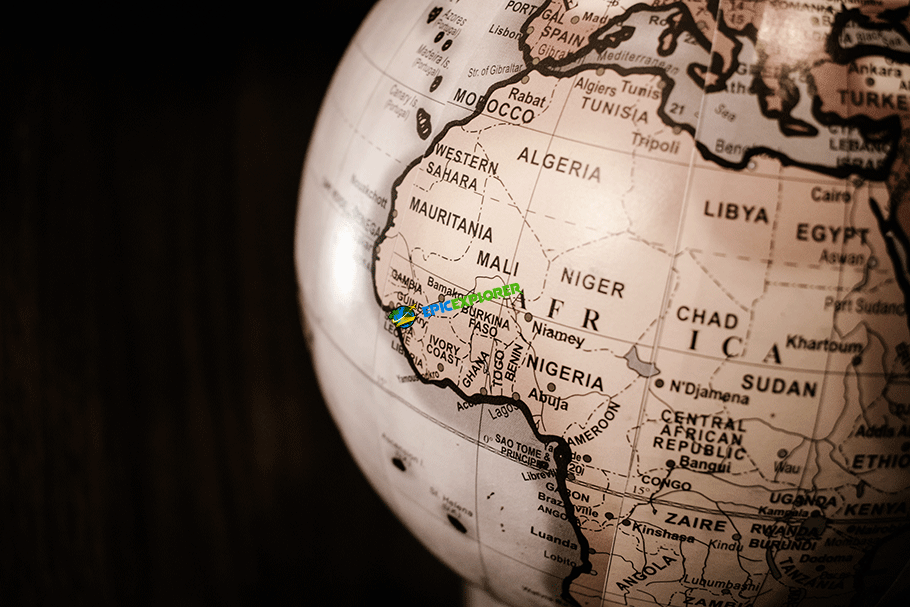
Chad is a vast, landlocked country in Central Africa with striking landscapes, from the Sahara in the north to savanna and the remains of Lake Chad in the west. For most travellers, however, the overriding questions are safety-related: Is Chad safe to travel? What do the latest advisories say? Which areas carry the highest risk? What local laws can land visitors in serious trouble?
This guide answers those questions directly using information from major government travel advisories current as of mid-2026. It is written for readers in India and elsewhere who need clear, practical facts rather than promotion. Travel conditions can change quickly. Always verify the latest official advice from your own country’s foreign ministry or equivalent before making any plans.
Current Travel Advisories for Chad
Multiple governments currently issue strong warnings against travel to Chad.
The United States Department of State rates Chad Level 4: Do Not Travel. Reasons listed include crime, terrorism, unrest, inadequate health infrastructure, kidnapping, and landmines. Outside the capital N’Djamena, US consular assistance is extremely limited. US government staff themselves need special authorisation to leave the capital.
The UK Foreign, Commonwealth & Development Office (FCDO) advises against all travel to the northern provinces of Borkou, Ennedi Ouest, Ennedi Est and Tibesti; the western part of Kanem Province including Nokou; the Lake Chad region; and areas within 30 km of all other borders. For the rest of the country, including N’Djamena, the advice is against all but essential travel. Support for British nationals is severely limited and provided remotely.
Australia’s Smartraveller rates Chad overall as “Do not travel” because of the dangerous security situation, terrorism, kidnapping and violent crime. It separately advises reconsidering the need to travel to N’Djamena for the same reasons.
These positions are consistent across major sources. Leisure tourism is not realistic under current conditions. Essential travel (humanitarian work, official business, family reasons) carries significant residual risk and requires professional security planning.
High-Risk Areas and Why They Are Restricted
Certain parts of Chad carry elevated danger due to armed groups, terrorism, landmines and spillover from neighbouring conflicts.
- Lake Chad region and Lac Province: Active presence of groups linked to Boko Haram and Islamic State West Africa. Attacks on military and civilian targets have occurred. High kidnapping risk.
- Northern provinces (Borkou, Tibesti, Ennedi Est and Ouest): Landmines and unexploded ordnance from past and ongoing conflicts, rebel activity, contested gold-mining areas, and proximity to Libya.
- Border zones: Areas within roughly 30 km of the borders with Nigeria, Niger, Libya, Sudan, Central African Republic and Cameroon. Armed groups operate across these frontiers. The Sudan border in particular is affected by the ongoing conflict and large refugee movements.
- Eastern provinces such as Sila: Landmine risk and instability linked to the Sudan situation.
- Western Kanem including Nokou: Terrorism-related restrictions.
Even in the capital, N’Djamena, risks of violent crime, carjacking, robbery and occasional unrest remain. Walking, especially after dark or alone, is strongly discouraged by multiple advisories. Road travel outside the capital is hazardous due to poor conditions, checkpoints, banditry and the possibility of sudden security operations.
Landmines are not always clearly marked. Stay on main roads and established routes if movement is unavoidable.
Read also: South Africa's Splendor: Top 10 Cities to Explore
Main Safety Risks Across the Country
Crime Violent crime—armed robbery, carjacking, home invasion, mugging and sexual assault—occurs in both urban and rural settings. Petty theft and pickpocketing are common in markets and crowded areas. Foreigners can be targeted because they are perceived as wealthier. Police response capacity is limited outside major centres.
Terrorism and kidnapping Terrorist attacks can happen with little warning and have targeted markets, transport hubs, government buildings, religious sites and areas frequented by foreigners. Kidnapping for ransom affects locals, aid workers and other foreigners. The Lake Chad basin and border regions carry the highest risk, but the threat exists nationwide, including N’Djamena.
Civil unrest Demonstrations can arise suddenly around political or economic issues and have previously turned violent. Security forces have used force, including tear gas and live fire, to disperse crowds. Avoid all demonstrations and large gatherings.
Health infrastructure Medical facilities are extremely limited. Even in N’Djamena, advanced care is scarce. Outside the capital, treatment for serious conditions is often unavailable. Medical evacuation is expensive and may be difficult to arrange at short notice. Comprehensive insurance that covers evacuation is essential for anyone who must travel.
Local Laws and Rules Travellers Must Follow
Chad is a predominantly Muslim country with conservative social norms. Breaking local laws—even unknowingly—can result in arrest, fines, imprisonment or expulsion. Consular assistance is limited.
Key points reported by official sources:
- Identification: Always carry a form of identification (passport or certified copy). Failure to produce ID when requested by police can lead to detention.
- Registration: First-time visitors and certain categories of travellers (including some aid workers) must register with the National Police and obtain a stamp within 72 hours of arrival. Bring extra passport photos.
- Photography: A government permit is required for photography. Even with a permit, photographing military sites, police, airports, government buildings and certain public monuments is illegal. Sites are not always clearly marked. Cameras and film can be confiscated.
- Satellite phones: Illegal. Possession or use risks seizure and arrest. No permits are generally available.
- Drugs: Possession, use or trafficking of illegal drugs carries severe penalties, including long prison sentences.
- Same-sex relationships: Illegal. Public displays of affection should be avoided.
- Dress and behaviour: Dress modestly and behave discreetly, particularly outside the capital.
- Currency and cash: Chad is largely a cash economy. Plan accordingly and avoid displaying large amounts of money.
Always check the latest entry requirements: a visa obtained in advance is normally required, and a yellow fever vaccination certificate is needed for entry.
Practical Preparation If You Still Need to Travel
If travel is unavoidable (essential work or family reasons), treat it as a high-risk deployment rather than a normal trip:
- Review the most recent advisory from your own government immediately before departure and daily while there.
- Enrol in any available citizen registration scheme (such as the US STEP programme or equivalent).
- Arrange comprehensive insurance that explicitly covers medical evacuation, kidnapping and travel to high-risk destinations. Standard policies often exclude Level 4 destinations.
- Use only pre-vetted transport and secure accommodation. Avoid walking, night travel and isolated areas.
- Maintain a low profile: no expensive jewellery, limited cash, no unnecessary photography.
- Have a clear exit plan that does not rely on government evacuation. Borders and airports can close with little notice.
- Share a proof-of-life protocol and regular check-in schedule with trusted contacts.
- Carry copies of key documents separately from originals.
Professional security advice is strongly recommended for any movement outside N’Djamena.
Health Considerations
Yellow fever vaccination is required for entry. Malaria is present year-round; prophylaxis is advised. Other risks include cholera in certain provinces, polio (booster recommended for some travellers), measles, and water- and food-borne illnesses. Medical care is limited and expensive. Pack a well-stocked medical kit and ensure your insurance covers evacuation. Consult a travel-health clinic well in advance.
Information on outbreaks and vaccine recommendations should be checked on the CDC Traveler’s Health page or equivalent national health authority shortly before travel, as these change.
Final Note on Verification
Travel advisories and conditions in Chad are subject to rapid change due to regional conflicts, internal security operations and political developments. The details above reflect publicly available official guidance as of the time of writing in mid-2026. Before any decision, consult:
- Your national foreign ministry or equivalent
- The US State Department Chad page
- UK FCDO Chad advice
- Australian Smartraveller Chad page
- Local embassies or consulates
No guide can replace official, up-to-date advice. Safety is the responsibility of the individual traveller.