
Tbilisi Travel Guide: Old Town Walks, Hilltop Views & Local Culture
Tbilisi feels like a city stitched together by centuries. One moment you’re walking past medieval churches and crumbling balconies, the next you’re sipping wine beside Soviet-era buildings or soaking in ancient sulfur baths. Set dramatically along the Mtkvari River and wrapped in hills, Tbilisi blends Europe and Asia in ways few capitals can.
For first-time visitors, the city is surprisingly easy to explore. Neighborhoods are compact, public transport is simple, and many of the best experiences come from wandering slowly rather than rushing between landmarks. This guide focuses on a relaxed 3-day plan that balances history, views, food, and everyday life.
Why Tbilisi Instantly Wins Hearts
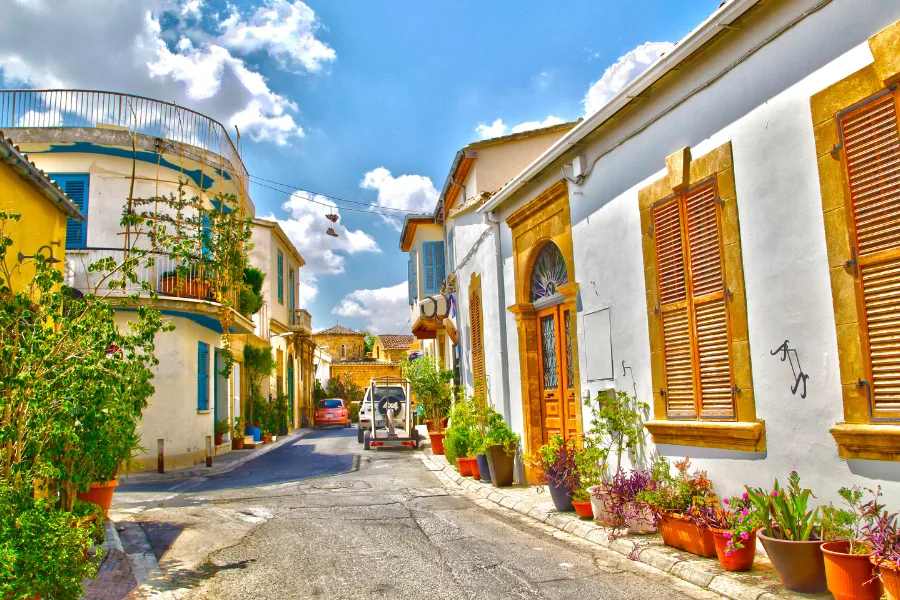
Tbilisi doesn’t feel polished—and that’s exactly its charm. Peeling paint, wooden balconies, street art, and old courtyards tell stories that museums can’t. Locals are famously warm, food portions are generous, and wine flows as naturally as conversation.
???? Amazing Fact: Georgia is considered the birthplace of wine, with evidence of winemaking here going back thousands of years—and Tbilisi sits at the heart of this tradition.
Tbilisi Old Town: Where History Lives on Foot
The historic core is best explored on foot, allowing you to discover quiet streets and unexpected viewpoints.
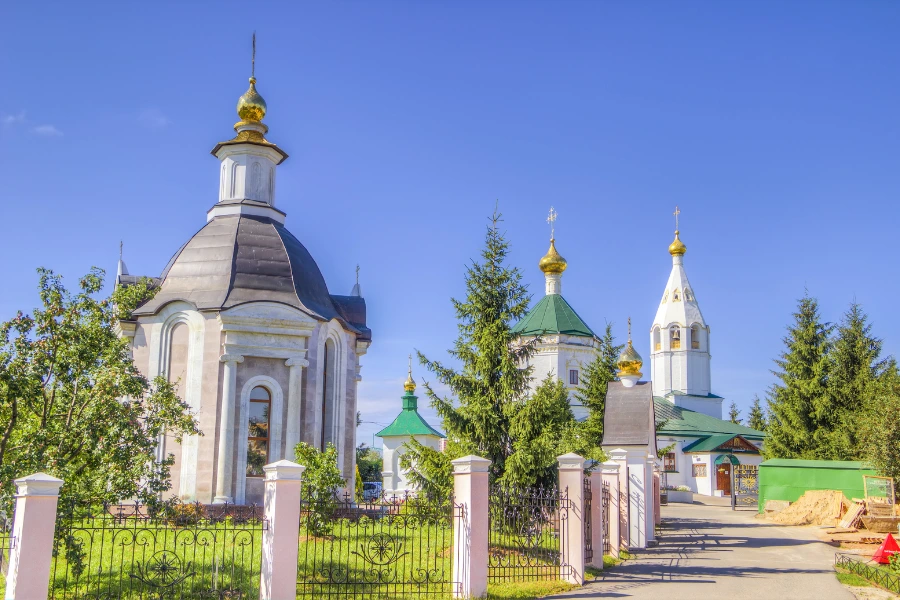
Start near Metekhi Church, dramatically perched above the river. From here, take the cable car up to Narikala Fortress, one of the best panoramic viewpoints in the city. The ride itself offers sweeping views of tiled rooftops, bathhouse domes, and the winding river below.
From Narikala, walk downhill through leafy paths toward Anchiskhati Basilica, the city’s oldest surviving church. Nearby, Sioni Cathedral adds another layer to Tbilisi’s deep religious history.
Don’t miss the Dry Bridge Flea Market, where Soviet-era cameras, medals, paintings, and vinyl records create an open-air museum of everyday history.
As evening falls, wander through Shardeni Street and nearby lanes. Candle-lit restaurants, wine bars, and balconies draped with ivy make this one of the city’s most atmospheric areas.
???? Amazing Fact: Many Old Town houses are built around shared courtyards, a tradition that shaped Tbilisi’s famously social neighborhood culture.
Read also: Guadalajara on a Budget: Free Things To Do, Cheap Eats & Affordable Day Trips.
Tbilisi From Above: Mtatsminda & City Views
To understand the city’s layout, you need to see it from above.
Ride the funicular up to Mtatsminda Park, a hilltop complex combining panoramic viewpoints, cafés, and old-school amusement rides. The views stretch across the entire city and deep into the surrounding hills, especially beautiful at sunset.
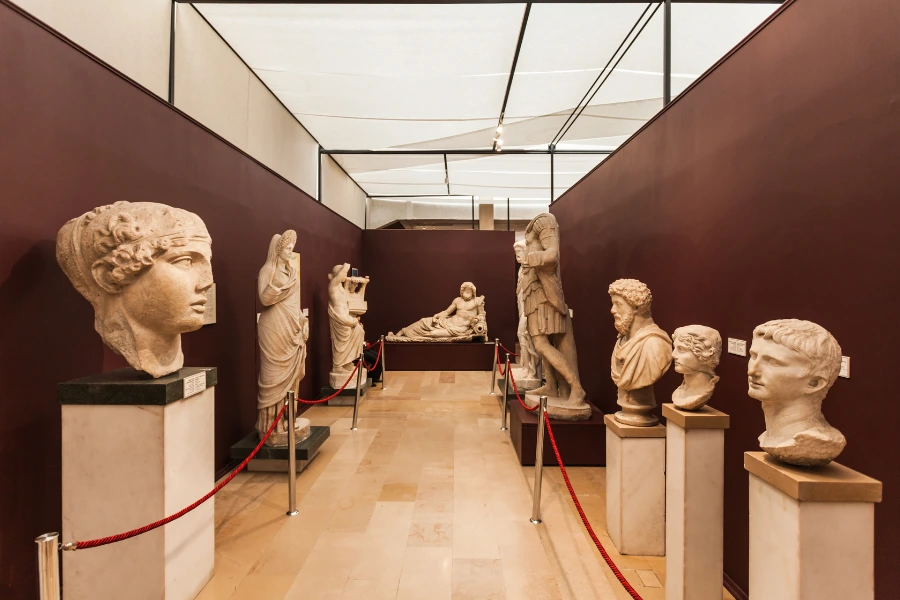
After descending, explore Rustaveli Avenue, the city’s main boulevard. Grand buildings line the street, including the opera house and cultural institutions. Nearby, the Georgian National Museum offers insight into the country’s ancient civilizations and artistic heritage.
Later, head to Fabrika, a former Soviet factory transformed into a creative hub. Murals cover the walls, cafés spill into courtyards, and it’s one of the best places to experience modern Tbilisi youth culture.
???? Amazing Fact: Mtatsminda means “Holy Mountain,” and the hill has been a sacred and recreational space for centuries.
Tbilisi Spiritual Side: Sameba & Riverside Walks
One of the most striking landmarks is Holy Trinity Cathedral (Sameba). Its massive golden dome dominates the skyline and can be seen from almost anywhere in the city. Inside, the scale is awe-inspiring yet calm, with soft chanting and candlelight creating a peaceful atmosphere.
From here, head back toward the river and cross the futuristic Bridge of Peace, a symbol of modern Georgia’s ambitions. Nearby Rike Park offers green space, sculptures, and riverside paths.
End the day with a visit to the sulfur baths in the Abanotubani district. These naturally heated waters have been used for centuries and remain one of the most authentic experiences in the city.
???? Amazing Fact: The name Tbilisi comes from the Georgian word for “warm,” referring to the natural hot springs beneath the city.
What to Eat & Drink in Tbilisi
Food is central to Georgian hospitality.
Must-try dishes include:
-
Khinkali: Juicy dumplings eaten by hand
-
Khachapuri: Cheese-filled bread with regional variations
-
Churchkhela: Nuts dipped in thickened grape juice
Pair meals with local wines or traditional amber wines fermented in clay vessels called qvevri.
Suggested 3-Day Tbilisi Itinerary
Day 1:
Old Town walk → Narikala Fortress → Dry Bridge Market → Shardeni Street dinner
Day 2:
Mtatsminda Park → Rustaveli Avenue → Museum visit → Fabrika evening
Day 3:
Sameba Cathedral → Bridge of Peace → Rike Park → Sulfur bath soak
Optional day trip: Mtskheta, the ancient former capital, just outside the city.
Practical Tips for First-Time Visitors
-
Use metro and ride-hailing apps for easy transport
-
Wear modest clothing when visiting churches
-
Comfortable walking shoes are essential due to cobblestones
-
Cash is useful for markets and small eateries
-
Learn a few local words—effort is always appreciated
???? Amazing Fact: Georgian has its own unique alphabet, considered one of the world’s most beautiful scripts.